
Last updated November 15, 2026
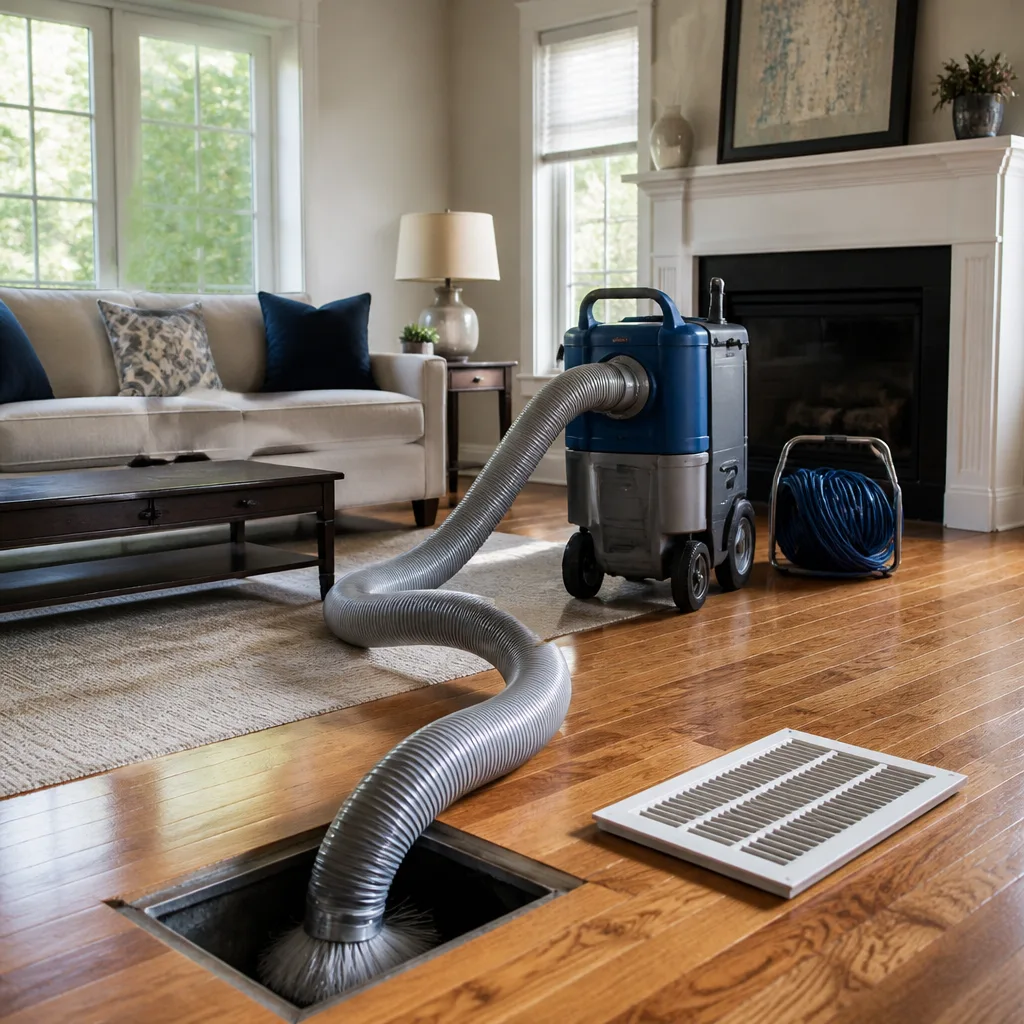 Whole-home duct cleaning
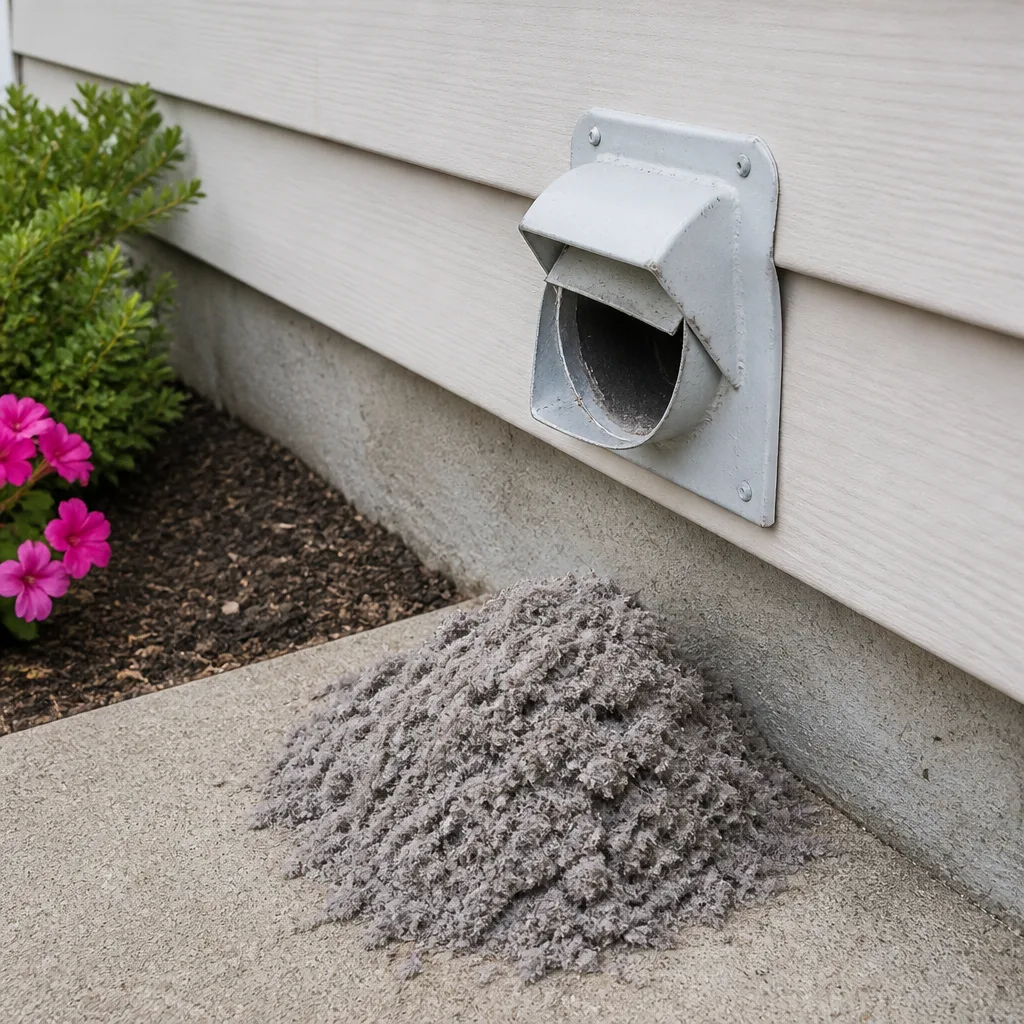 Dryer vent cleaning
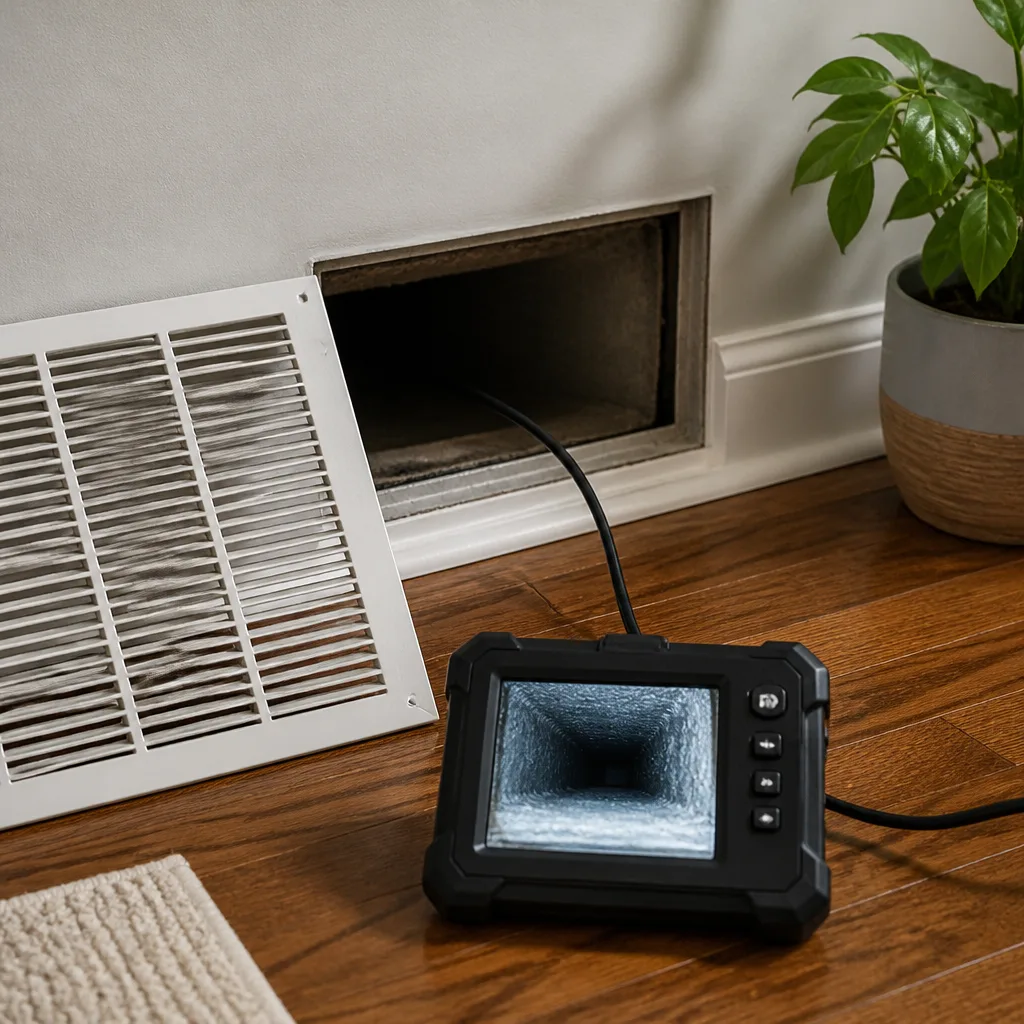 Camera inspection
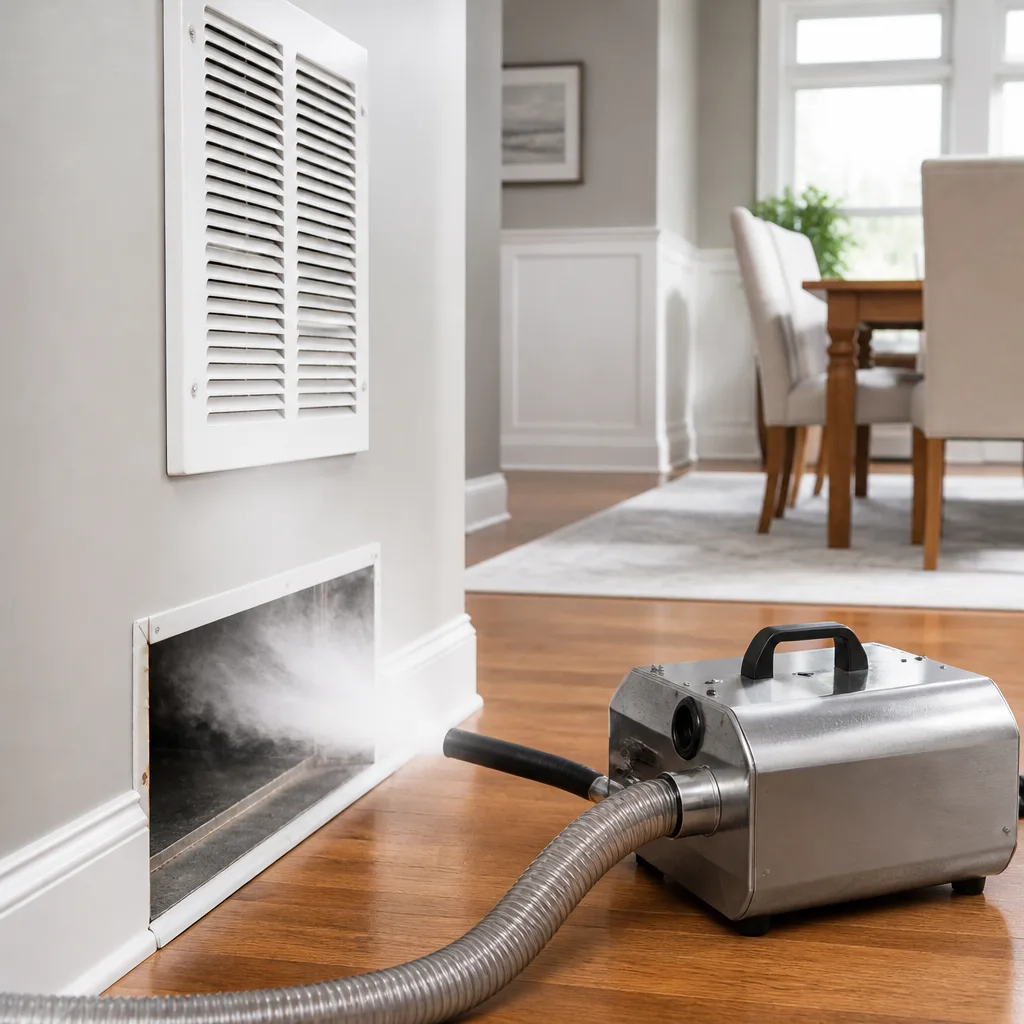 Sanitizing & deodorizing
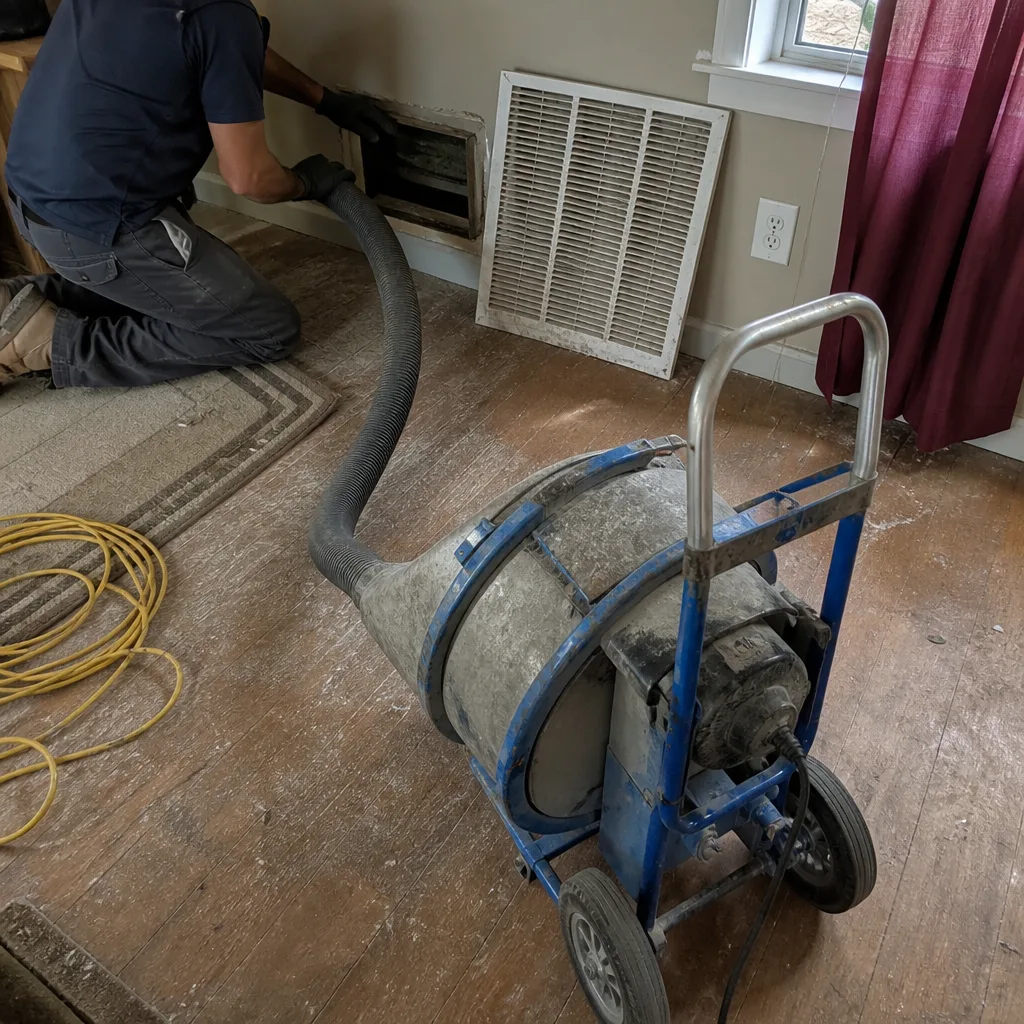
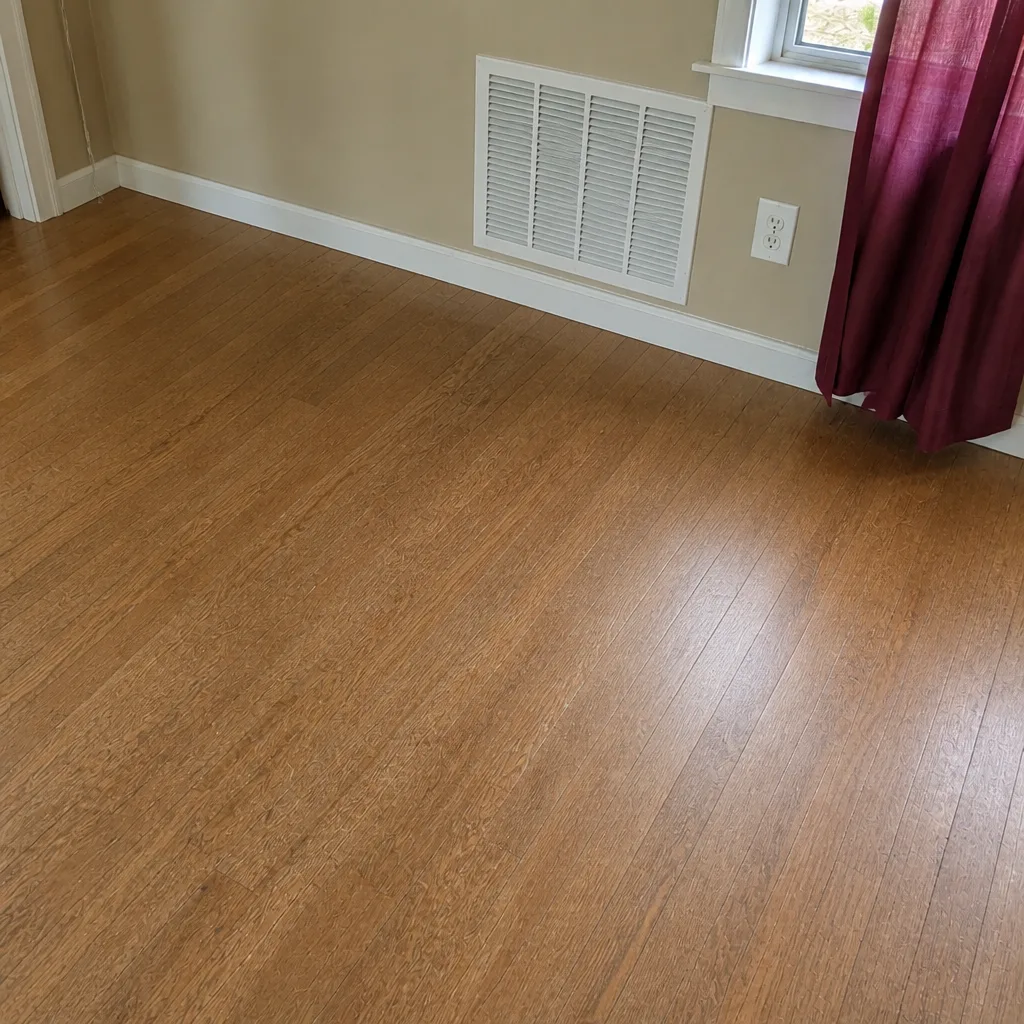
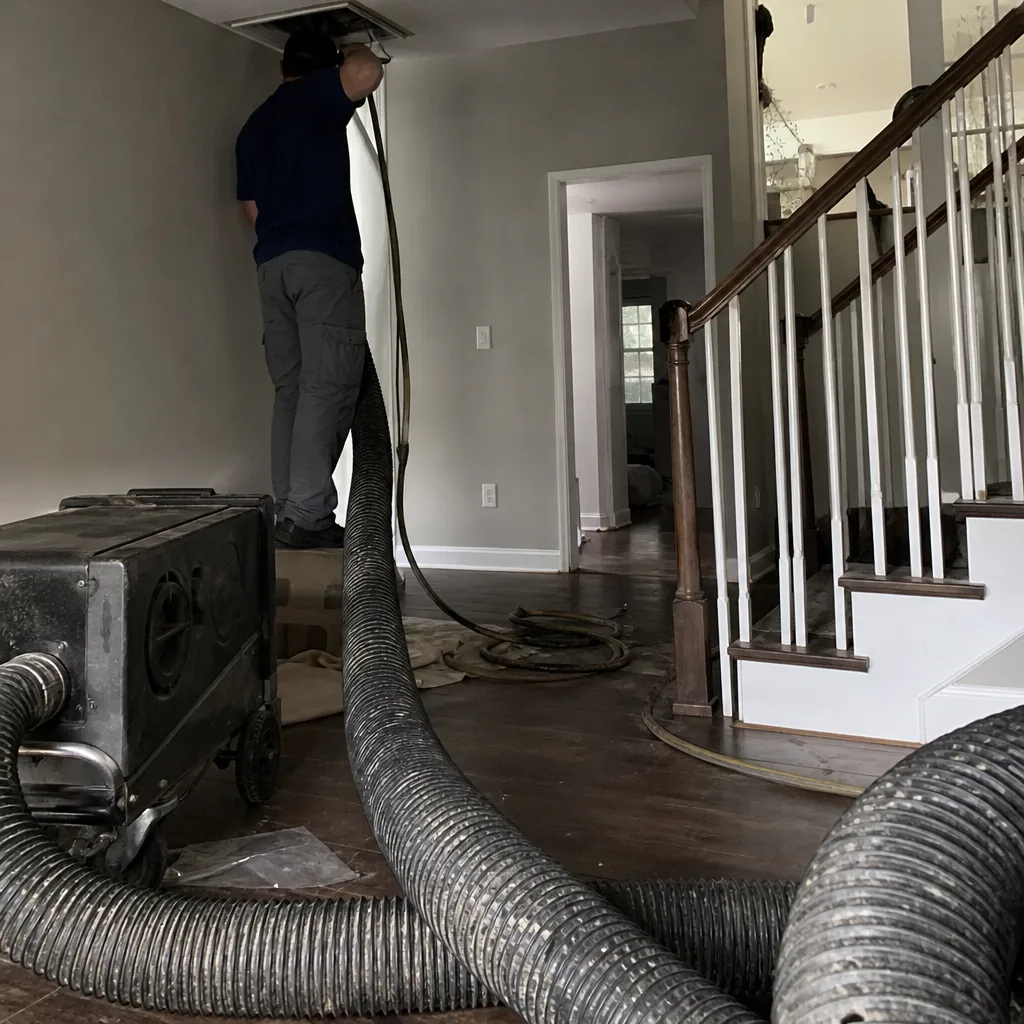
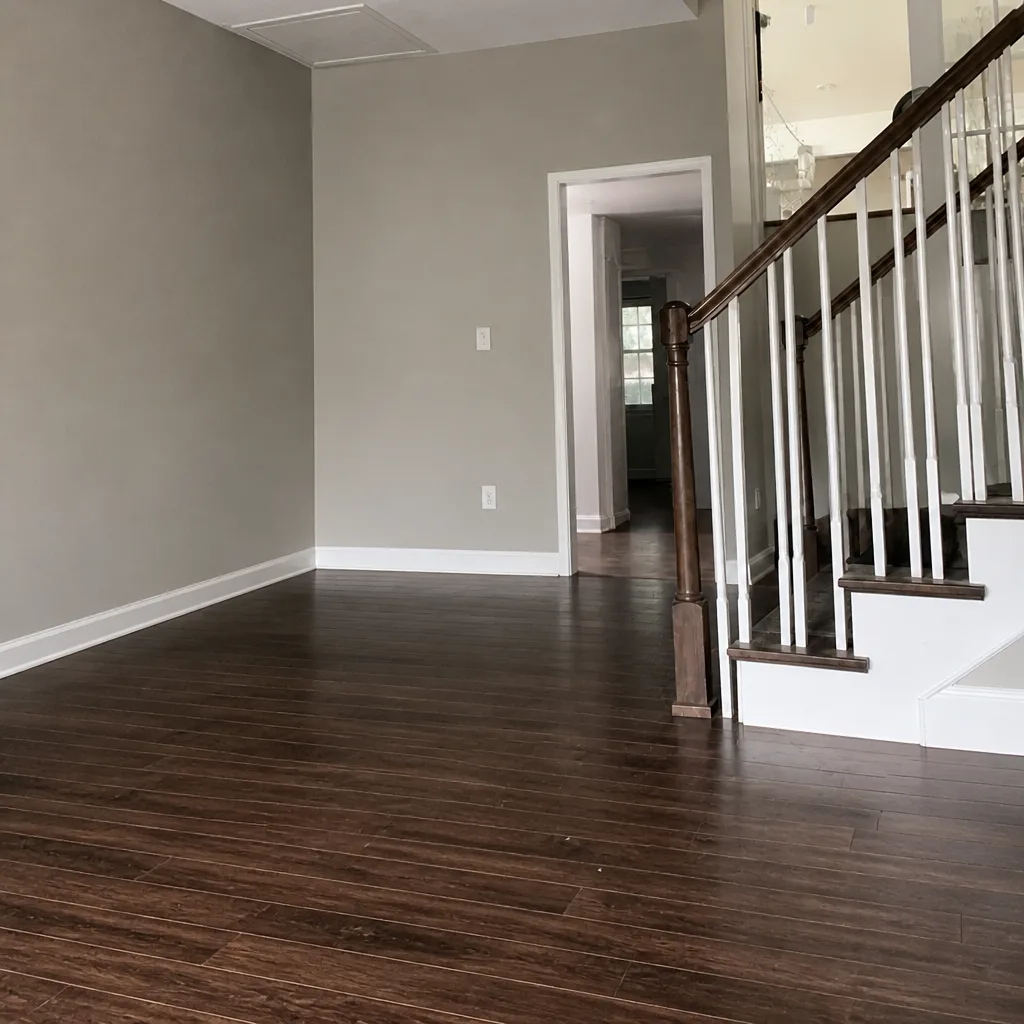
Whole-system duct and dryer vent check with before-and-after photos - you see exactly what came out of your vents
That "$99 whole-house special" is a bait ad - the real number appears once they are in your hallway, or the "clean" is a shop-vac at the register. We photograph the inside of your ducts before and after instead.
Air Duct Cleaning Permits, Codes & Inspections in Durham, NC: What You Need to Know
The cleaning itself usually needs no permit. What the cleaning uncovers sometimes does. When a camera goes down a return chase in an older Durham house and comes back with footage of a disconnected trunk line, crushed flex duct, or a plenum wrapped in material nobody wants to name, the job has quietly changed from maintenance to code compliance. Most homeowners don’t find that out until the estimate arrives, and most cheap duct cleaning companies aren’t equipped to explain it. This guide walks through what the North Carolina Mechanical Code says about duct integrity, when cleaning crosses the line into alteration that requires a Durham County permit, why pre-1980 Durham homes deserve a second look for asbestos-containing duct materials, and how renters and landlords split responsibility under state law. Read it before you book anyone, including us.
Quick Answer
Air duct cleaning in Durham, NC does not require a permit on its own. A permit becomes necessary when the work crosses from cleaning into repair or alteration of the HVAC system – replacing duct runs, sealing disconnected joints that affect system performance, modifying plenum connections, or removing or disturbing materials suspected to contain asbestos. Durham County reviews those permits through its Inspection Department, and work involving asbestos-containing materials must be deferred to a licensed abatement contractor, not a duct cleaner.
Styles & brands we work with
- Whole-home duct cleaning
- Dryer vent cleaning
- Camera inspection
- Sanitizing & deodorizing
Table of Contents
- When Duct Cleaning Becomes Duct Repair (And When a Permit Kicks In)
- What the NC Mechanical Code Actually Says About Duct Integrity
- The Durham County Permit Process for HVAC Duct Work
- Asbestos in Pre-1980 Durham Ducts: Why Cleaning Must Stop
- Renters, Landlords, and NC General Statutes Chapter 42
- Why Abatement-Grade Equipment Matters for Documentation
- What to Check Before and After Any Duct Cleaning in Durham
When Duct Cleaning Becomes Duct Repair (And When a Permit Kicks In)
The line between cleaning and repair is where the permitting conversation starts, and it’s a line most homeowners don’t know exists until it’s crossed. Cleaning removes accumulated debris from the interior of an existing duct system without changing the system. Repair modifies the system: reconnecting a joint, replacing a section of flex or rigid duct, re-sealing a plenum, or correcting a design flaw that’s affecting airflow. The first is routine maintenance. The second is alteration of an HVAC system.
Under the North Carolina Mechanical Code – which is built on the International Mechanical Code – alteration of a mechanical system generally requires a permit from the local code authority unless it qualifies for a specific exemption. In Durham, that means the Durham County Inspection Department. Duct cleaning is not on the permit list. Duct repair often is.
Here’s the practical breakdown of what we see when a cleaning reveals problems:
- Cleaning only, no permit needed: standard debris removal from supply and return runs, register and grille cleaning, blower compartment cleaning, coil face cleaning in many cases.
- Repair, permit usually needed: reconnecting a disconnected trunk or branch, replacing a collapsed section of flex duct, re-sealing a plenum penetration where the original sealant has failed, correcting a return air path that’s pulling from an unconditioned space.
- Replacement, permit required: running new duct lengths where the original design has failed, resizing trunks, adding or removing returns, moving a plenum connection.
- Never ours to touch: anything involving suspected asbestos-containing material, equipment refrigerant circuits, or gas piping. Those route to licensed specialists.
That third column is the one crews find most often in Durham’s older housing stock, where a 1950s return chase was undersized by today’s standards. Repairing what exists can usually stay inside a simple permit. Redesigning it is a mechanical contractor’s job.
Where “repair in the same visit” fits
Our air duct cleaning service includes duct repair capability, which means a disconnected run found during cleaning can often be reconnected on the same visit rather than deferred to a second trade. For joints, tears, and sealing work that don’t change the system’s design, that’s the practical answer most Durham homeowners want. When the repair crosses into alteration that needs a permit, we’ll tell you that in writing and route the permitting piece to a licensed NC mechanical contractor. We don’t pull permits on your behalf for work we don’t perform.
What the NC Mechanical Code Actually Says About Duct Integrity
The NC Mechanical Code, adopted from the International Mechanical Code with state amendments, has several provisions that matter when cleaning reveals deficiencies in existing ductwork. We’re summarizing the concepts, not quoting code text – for the exact section language and the edition Durham is currently enforcing, contact the Durham County Inspection Department or the NC Department of Insurance, which oversees Code Officials. But these are the concepts any contractor working in your ducts should be able to explain.
- Duct system integrity: ducts must be constructed and sealed to convey air without objectionable leakage. Chapter 6 of the IMC addresses duct construction and installation; the relevant principle is that a duct system is expected to hold together and stay solidly connected through its intended service life.
- Sealing: joints, seams, and connections in duct systems are required to be sealed. In many residential applications this means mastic or listed tape at every joint. A disconnected return isn’t just an efficiency problem – it’s a code violation on the original install in most cases.
- Clearances: ducts passing through rated assemblies, near combustibles, or through unconditioned spaces have specified clearance requirements. Ducts routed through a garage ceiling or in close proximity to a flue are common trouble spots.
- Materials: duct materials must be listed and labeled for the application. The code generally prohibits using the space between joists or studs as a plenum unless specific conditions are met – a rule that catches up with older Durham homes where builders used wall cavities as return chases without the required lining or fireblocking.
- Return air paths: return air cannot be drawn from a garage, unconditioned attic, or a space containing a fuel-burning appliance, except where the code specifically permits an arrangement. A return that’s been disconnected and pulling air from a wall cavity is a real risk.
What this means for you: when a cleaning finds a disconnected duct, crushed section, or unsealed plenum, the “fix” isn’t always just reconnecting it. Sometimes the compliance answer involves a licensed mechanical contractor reviewing whether the original install complied in the first place. That’s not duct cleaning work. That’s code work.
The Durham County Permit Process for HVAC Duct Work
Durham County handles building permits through its Inspection Department, and the process for HVAC-related duct work typically runs through these steps. Timing and fees vary by scope, so treat this as a map rather than a timetable.
- Determine whether a permit is required. The homeowner or contractor calls the Durham County Inspection Department and describes the work: replacing a section of duct vs. repairing a joint, altering a plenum vs. cleaning a plenum. The department confirms whether the scope triggers a permit.
- Submit the permit application. The licensed mechanical contractor (for alteration work) files the application with the scope of work, and in some cases a simple drawing or narrative. A homeowner can file in limited circumstances, but alteration of a mechanical system generally requires a licensed contractor.
- Pull the permit and schedule the inspection. Once the permit is issued, work proceeds and the contractor calls for inspection at the appropriate point – rough-in before the duct is closed up, final after the system is complete and running.
- Inspection and sign-off. The inspector verifies the duct construction, sealing, clearances, and materials meet code. A passed inspection produces the documentation that matters later if the house is sold, refinanced, or subject to an insurance review.
Two important practical notes for Durham. First, the county’s permitting system – including online submittal options – has continued to evolve, so ask the Inspection Department directly about current submittal channels rather than relying on how things worked a few years ago. Second, unpermitted duct alteration shows up during home sales and appraisals as a red flag. If you’re a seller and a duct repair happened without a permit, the resolution is often a retroactive permit and inspection, which is more expensive than having done it right the first time.
For a broader look at how duct work fits into the Durham housing stock we regularly see, our Durham page covers the neighborhoods and building types we work in most.
Asbestos in Pre-1980 Durham Ducts: Why Cleaning Must Stop
If your Durham home was built before roughly 1980, the duct system – or the materials around it – may contain asbestos. That’s not a scare tactic; it’s a documented reality of the era’s construction materials. The specific places asbestos-containing material (ACM) shows up in residential duct systems include:
- Exterior duct wrap on older supply runs, particularly on ducts passing through unconditioned spaces.
- Duct tape with a fibrous, fabric-like backing – the classic gray tape from the era is often ACM.
- Insulation inside plenum boxes and around air handlers.
- Insulation blankets lining older return chases.
- Joint compound and sealants around duct penetrations in some applications.
- Vermiculite-based insulation around duct boots – a material common in mid-century homes.
If a duct cleaner encounters material that might be asbestos – crumbly, fibrous, gray-white wrap; fibrous tape; anything friable inside the duct path – the correct response is to stop, not proceed. Asbestos becomes dangerous when it’s disturbed. Cleaning equipment agitates debris. A commercial-grade vacuum, no matter how well-built, is not an abatement containment system, and running it through a duct lined with ACM can turn a maintenance call into an exposure event.
The proper chain of events when suspected ACM is present is straightforward, and none of it involves the duct cleaning company continuing the job:
- The duct cleaner stops work and documents what was found with photos.
- The homeowner contacts a licensed asbestos inspector (NC-licensed in asbestos hazard evaluation) to test a sample.
- If ACM is confirmed, a licensed asbestos abatement contractor performs any required removal or encapsulation.
- After clearance, duct cleaning – if still needed – proceeds.
We won’t proceed with cleaning when ACM is suspected. It isn’t worth the risk to the homeowner, and no responsible company should accept it. This is one of the clearest dividing lines between a duct cleaning company that operates professionally and one that doesn’t.
What the abatement equipment connection means for you
The commercial filtration and containment equipment category – Abatement Technologies air scrubbers, HEPA filtration units – exists because regulated abatement work demands verifiable containment. Even when asbestos is confirmed absent, running that grade of filtration on a duct cleaning job means the contaminants displaced during cleaning are captured at the work area rather than redistributed into the home. We use Abatement Technologies filtration on every job for exactly that reason. It doesn’t make us an abatement contractor. It does mean the documentation trail and the indoor air quality outcomes from a cleaning job are different from a shop-vac operation’s.
Renters, Landlords, and NC General Statutes Chapter 42
Renters in Durham face a different compliance picture than homeowners, and the reason is Chapter 42 of the North Carolina General Statutes. Chapter 42 sets out the rights and obligations of landlords and tenants, including habitability requirements – the landlord’s obligation to keep the premises fit and habitable. Duct conditions can fall inside that obligation when they affect heating, cooling, or indoor air quality in ways that make the unit unsafe or unlivable.
When a duct inspection in a Durham rental reveals a condition that affects habitability – a disconnected return pulling air from a crawlspace, a crushed supply that’s starving a bedroom of conditioned air, rodent contamination inside the duct path – the responsibility split usually looks like this:
- Landlord’s obligations: maintaining the property in a fit and habitable condition, keeping mechanical systems in working order, complying with applicable building and housing codes. In most Durham rental situations, the landlord is the party responsible for correcting the duct condition and pulling any required permit.
- Tenant’s obligations: notifying the landlord in writing of the condition, keeping the property reasonably clean, not damaging the mechanical systems. Tenants can’t typically authorize alteration or permit work in a landlord’s name.
- Property managers: often hold the operational role – scheduling the inspection, coordinating contractors, holding the documentation. That makes the property manager the party most likely to need the permit trail for the owner’s records.
The practical recommendation we give renters is simple: if a duct inspection reveals a condition requiring repair, put the finding in writing to the landlord or property manager, including photos. That written record matters later if the condition escalates to a habitability dispute. For property managers, keeping the licensed contractor’s scope of work, permit number (if applicable), and inspection sign-off with the property records will save time at turnover and at any owner review.
Why Abatement-Grade Equipment Matters for Documentation
This is the part most homeowners skip and later wish they hadn’t. Duct cleaning jobs that go wrong usually don’t cause damage – they just can’t be documented. The next owner, the insurer, or the code inspector can’t verify what was cleaned, what was found, or what was corrected. That’s a gap commercial-grade equipment closes.
The equipment gap between a professional duct cleaning operation and a low-bid competitor is bigger than most homeowners realize. Here’s what the difference looks like in practice:
- Contact cleaning, not just vacuuming: a Rotobrush system uses a rotating brush head driven through the duct to physically break debris off duct walls, with simultaneous negative-pressure capture at the brush head. That’s meaningfully different from suction alone, which can leave adhered material in place.
- Industrial suction, not shop vac: Nikro industrial vacuums are rated for sustained airflow rates across the full job – not the kind of light-duty pull you get from a portable unit rebranded as “professional grade.”
- On-site air filtration: an Abatement Technologies air scrubber running in the work area during cleaning captures particulate that gets displaced into the room instead of letting it settle back into the home.
- Before-and-after documentation: the same equipment makes photo documentation of duct interiors before and after cleaning practical and accurate. That’s the record an insurance claim, home inspection, or code compliance conversation actually wants.
- Treatment, not just cleaning: Guardsman-grade protective treatment capability extends the value of the visit past the day of service, which matters in a market where re-contamination is fast.
When a code official or an insurance adjuster asks what was found inside the duct system, “we suctioned it out with a shop vac” doesn’t help. A photo-documented before-and-after from commercial equipment does. The same is true of indoor air quality conversations – if you later add a Honeywell or Aprilaire filter or humidity control, the baseline documentation from the cleaning visit matters.
What to Check Before and After Any Duct Cleaning in Durham
This checklist is what we walk homeowners through before a job starts and after it’s done. It’s also what you can use to vet any company you talk to.
Before booking
- Ask about age of home. If it was built before roughly 1980, ask the company how they handle suspected asbestos-containing duct materials. If they don’t have a clear answer that starts with “we stop,” that’s a red flag.
- Ask for the equipment names. “Rotobrush” and “Nikro” are specific tools. If a company can’t name the equipment they use, they may not have it.
- Ask whether the quote is per-vent or whole-system. Per-vent pricing hides the real cost. Whole-system pricing is what most Durham homes actually need.
- Ask whether they document with photos. Before-and-after photos of your own ducts, not stock photos from the internet.
- Ask what happens if a disconnected duct or code issue is found. A good answer distinguishes cleaning from repair and is clear about when a permit is or isn’t needed.
After the job
- Review the before-and-after photos. They should show the inside of your actual duct runs, not a generic demo.
- Get the written scope of what was cleaned. Which registers, which returns, whether the plenum was cleaned, whether the air handler cabinet was cleaned.
- If a repair was performed, keep the documentation. Repair scope, materials used, and – if a permit was required – the permit number and inspection sign-off.
- If any material was flagged as suspected ACM, keep the photos and any test results. This is the record that matters for future conversations with contractors, insurers, or buyers.
Durham’s dryer vent cleaning work follows the same documentation discipline, and for good reason – dryer vents are one of the top residential fire hazards in the country, and a cleaning record is real evidence of the safety step being done.
Common Mistakes to Avoid
- Assuming cleaning always needs no permit – or always needs one. Neither is true. Cleaning a duct system is routine maintenance. Repairing a duct system is alteration. The scope determines the permit, not the job title. Have a plain conversation about scope before you sign anything.
- Letting a duct cleaner proceed when material might be asbestos. In a pre-1980 Durham home, fibrous duct wrap and fabric-backed tape deserve a pause. If the company keeps going, ask them to stop.
- Choosing a quote based on per-vent pricing. Per-vent figures are the industry’s most common bait-and-switch. Whole-system pricing – one flat price, agreed before work starts – is the honest structure.
- Skipping the repair path when a problem is found. A disconnected duct that’s cleaned but not reconnected will keep pulling dust and contaminants into the home from wherever the break leads. Cleaning alone doesn’t solve that.
- Not checking whether the duct alteration was permitted. If previous work on the home involved duct repair or replacement, ask the seller or your records for the permit. Missing permits show up at sale and can require retroactive filings.
- Ignoring Chapter 42 obligations if you’re a landlord. Duct conditions that affect habitability fall under the landlord’s statutory obligations, not the tenant’s. Written notice from the tenant starts the clock in most disputes.
- Treating dryer vent cleaning as optional. It’s not maintenance – it’s fire prevention. Lint accumulation in a dryer vent is a leading house-fire cause and cleaning is the mitigation.
See the difference
 Before
 After
 Before
 After
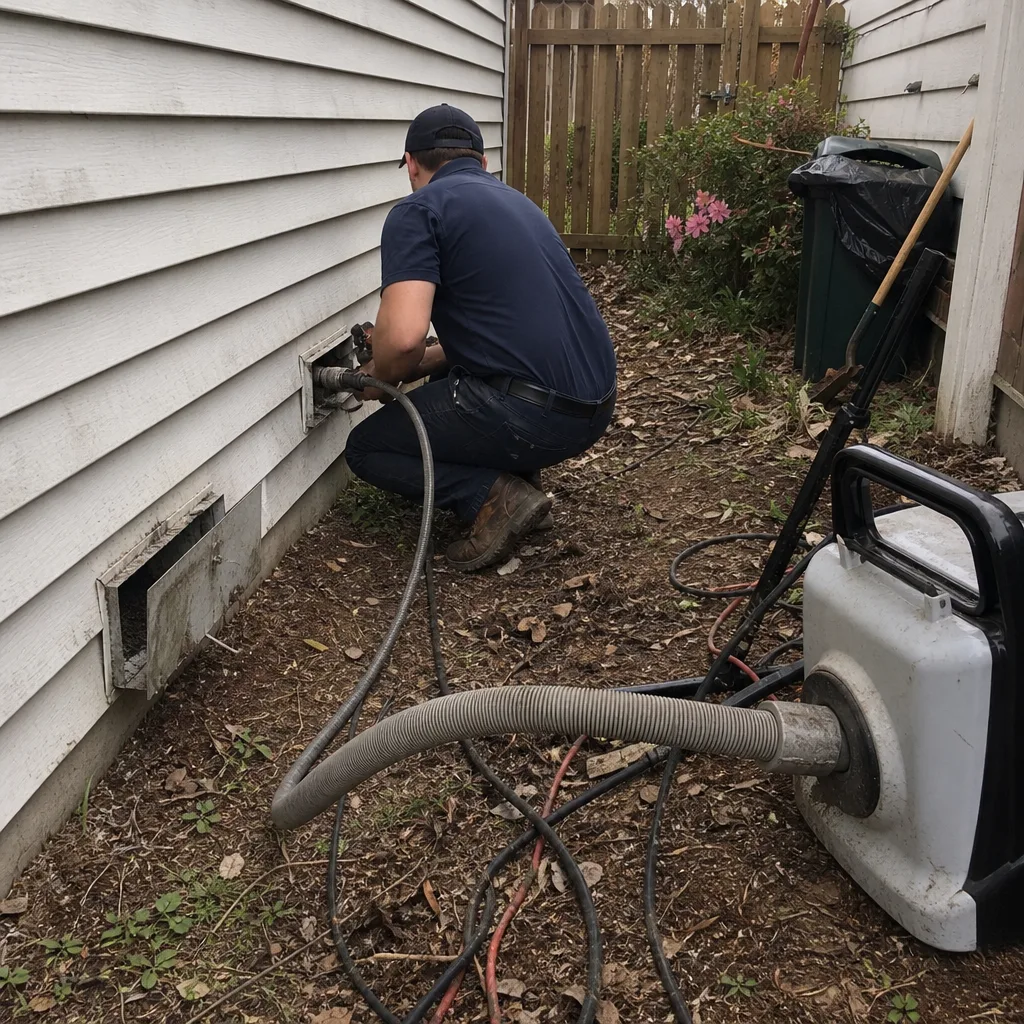 Before
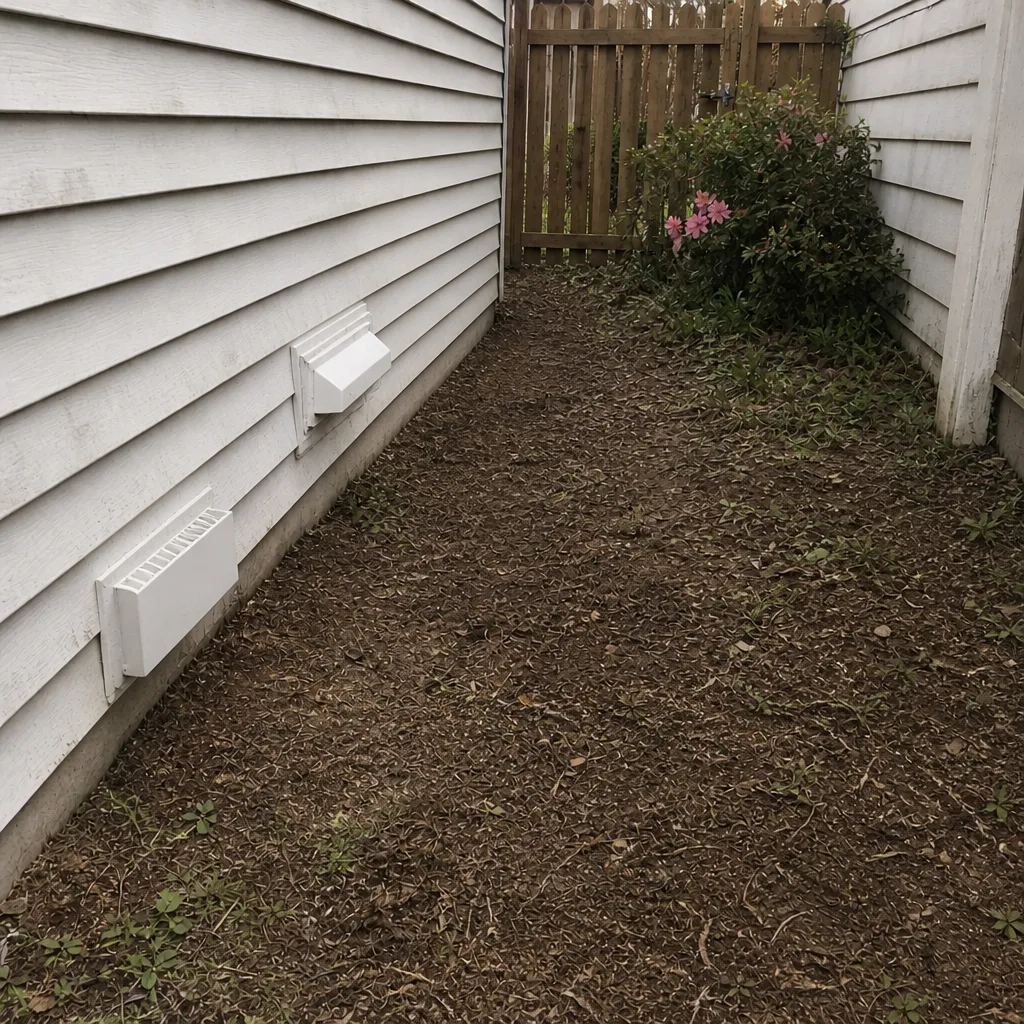 After
When to Call a Professional
Call a professional duct cleaning company when the ducts haven’t been cleaned in several years and you’re seeing visible debris at registers, when a remodeling project has generated dust that’s been drawn into the return, when you’ve noticed musty odors or uneven airflow between rooms, or when you’re buying or selling a home and want a documented baseline of the duct condition. A cleaning shouldn’t require a permit; a repair might, and that distinction is exactly what a professional should clarify for you in writing. If you’re in a pre-1980 Durham home and haven’t had anyone look at the duct materials, that’s a specific reason to have it evaluated before cleaning.
Duct Cleaning Durham offers free estimates in Durham – call (866) 486-6152. Our technicians have up to 13 years of experience, and every job runs on Rotobrush contact cleaning, Nikro industrial vacuum recovery, and Abatement Technologies air filtration. One flat price per system, agreed before work starts, with before-and-after photos of your own ducts at the end. For the parent service visit Duct Cleaning Durham.
Frequently Asked Questions
No. Air duct cleaning itself is routine maintenance and does not require a permit from the Durham County Inspection Department. A permit becomes necessary only when the work crosses into repair or alteration of the HVAC system – reconnecting a disconnected trunk, replacing duct sections, modifying a plenum connection, or removing or disturbing suspected asbestos-containing materials. Ask any company to state clearly which scope they’re performing. Call (866) 486-6152 for a free estimate – we’ll tell you in writing which category your job falls into.
Typical whole-system duct cleaning in Durham runs in a range that reflects the size of the system and how much access is required, not the number of vents. Pricing is per job by written estimate, agreed before work starts, so there’s one flat price per system and no per-vent inflation after the technician arrives. Compared to a per-vent quote that starts low and grows, whole-system pricing is the honest structure. Call (866) 486-6152. Estimates are free.
The cleaning stops and the finding gets documented. If it’s a joint, tear, or sealing issue, that’s within our duct repair capability and can often be corrected on the same visit. If it’s alteration of the system – replacement, redesign, or work that requires a permit – we’ll explain that in writing and route the permitting piece to a licensed NC mechanical contractor. Duct Cleaning Durham doesn’t pull permits for work we don’t perform. Call (866) 486-6152 for a free estimate and a written scope of what we’ll do.
Possibly, yes. Homes built before roughly 1980 can have asbestos-containing material in duct wrap, fabric-backed duct tape, plenum insulation, return chase lining, or vermiculite around duct boots. If any of that is suspected, cleaning must stop and a licensed asbestos inspector test a sample. Only a licensed abatement contractor handles removal. We won’t proceed with cleaning when ACM is suspected – no honest company should. Call (866) 486-6152 if you’re unsure and want a free assessment of what to check before booking.
Cheap quotes usually reflect tooling – a shop vac and portable tools instead of Rotobrush contact cleaning and Nikro industrial vacuum recovery – and a per-vent pricing structure that looks small up front and grows once the technician is inside. The other gap is documentation: cheaper operations often can’t produce before-and-after photos of your actual ducts, which matters later for code, insurance, or resale conversations. We don’t compete on price; we compete on the equipment and the trail it leaves. Call (866) 486-6152 for a free estimate with the full scope in writing.
If the finding requires alteration of the HVAC system, yes – the permit application goes through the Durham County Inspection Department and typically requires a licensed mechanical contractor, which is the landlord’s responsibility under NC General Statutes Chapter 42. Written notice from the tenant plus the contractor’s scope and permit trail are the records to keep with the property file. If you’re a property manager coordinating the work, we can provide the documentation of what cleaning found so you can route the repair piece correctly. Call (866) 486-6152 for a free estimate and documentation of the condition.
Before-and-after photos of your own duct interiors, a written scope of what was cleaned, and a clean description of any repairs performed. Those three items are the difference between a real cleaning job and a receipt. Our Abatement Technologies air filtration on-site during the job also means the work area documentation reflects proper containment – useful if you’re ever asked to substantiate the cleaning to an insurer, a code official, or a buyer. Call (866) 486-6152 for a free estimate and we’ll walk through what the photos and scope will include.
The Bottom Line
Duct cleaning in Durham rarely needs a permit. Duct repair sometimes does, and the difference is scope, not job title. The NC Mechanical Code has real requirements around duct sealing, materials, clearances, and return air paths – and cleaning is when those gaps get exposed. Pre-1980 Durham homes deserve an asbestos pause before any cleaning proceeds; that pause is not optional. Landlords carry habitability obligations under Chapter 42 that include duct conditions affecting the unit. And commercial-grade equipment – Rotobrush, Nikro, Abatement Technologies filtration, Guardsman treatment, Honeywell and Aprilaire IAQ products – matters less for the day of the job than for the documentation trail it leaves afterward. Know the code picture before you sign. Know the scope before you pay.
Ready to book or just want a straight answer about your ducts? Call Duct Cleaning Durham at (866) 486-6152 for a free estimate. We answer 24/7. Fast dispatch from 7am to 7pm, Sunday through Friday. One flat price per system, agreed before work starts, before-and-after photos of your own ducts, and a written scope that tells you exactly what category your job falls into – cleaning, repair, or a call to a licensed mechanical contractor.
Written by the team at Duct Cleaning Durham.