
Last updated November 15, 2026
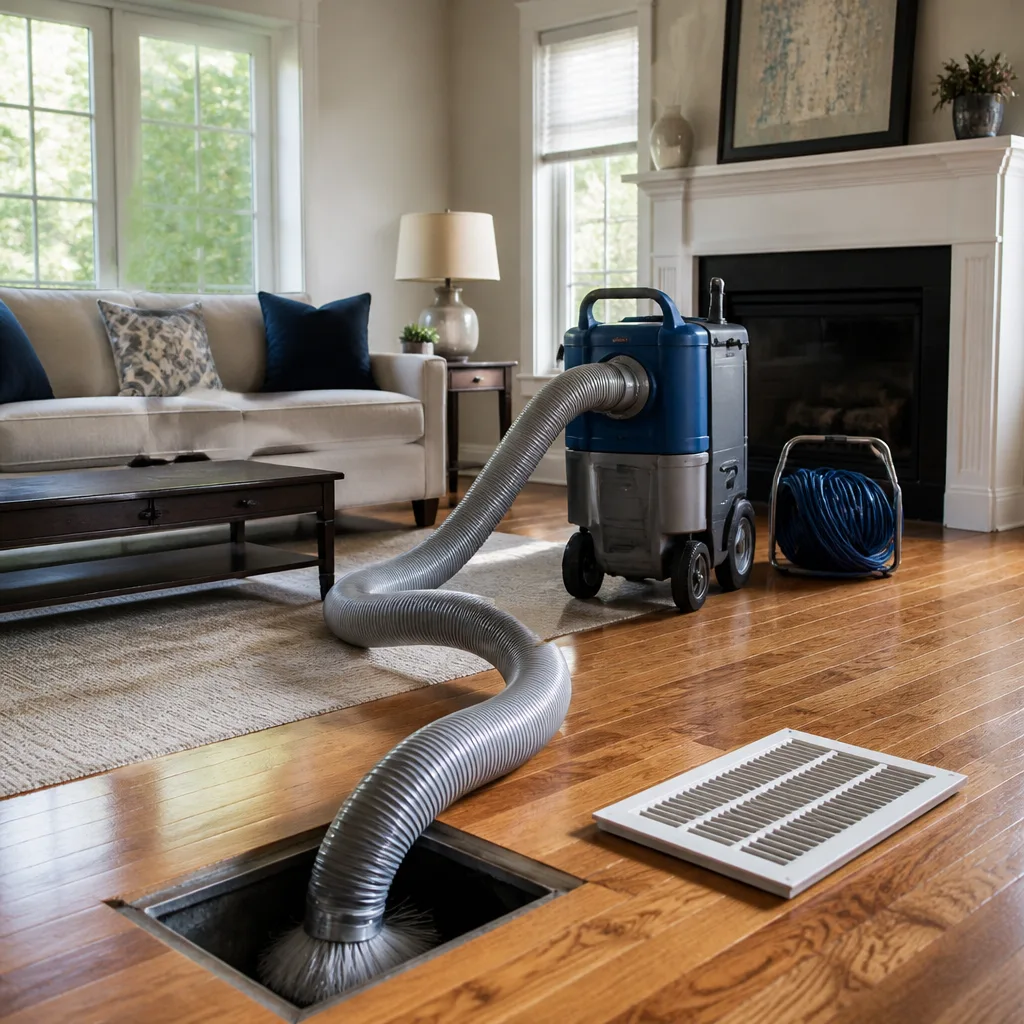 Whole-home duct cleaning
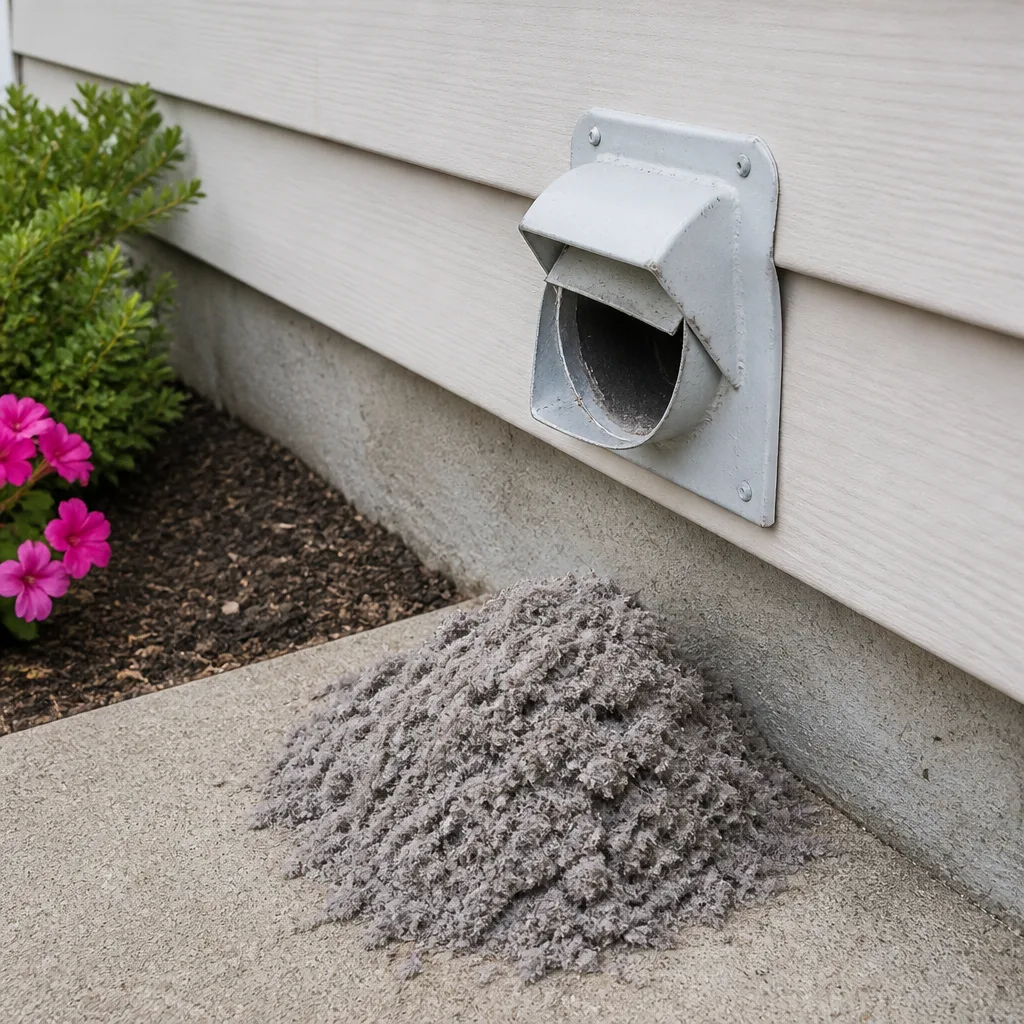 Dryer vent cleaning
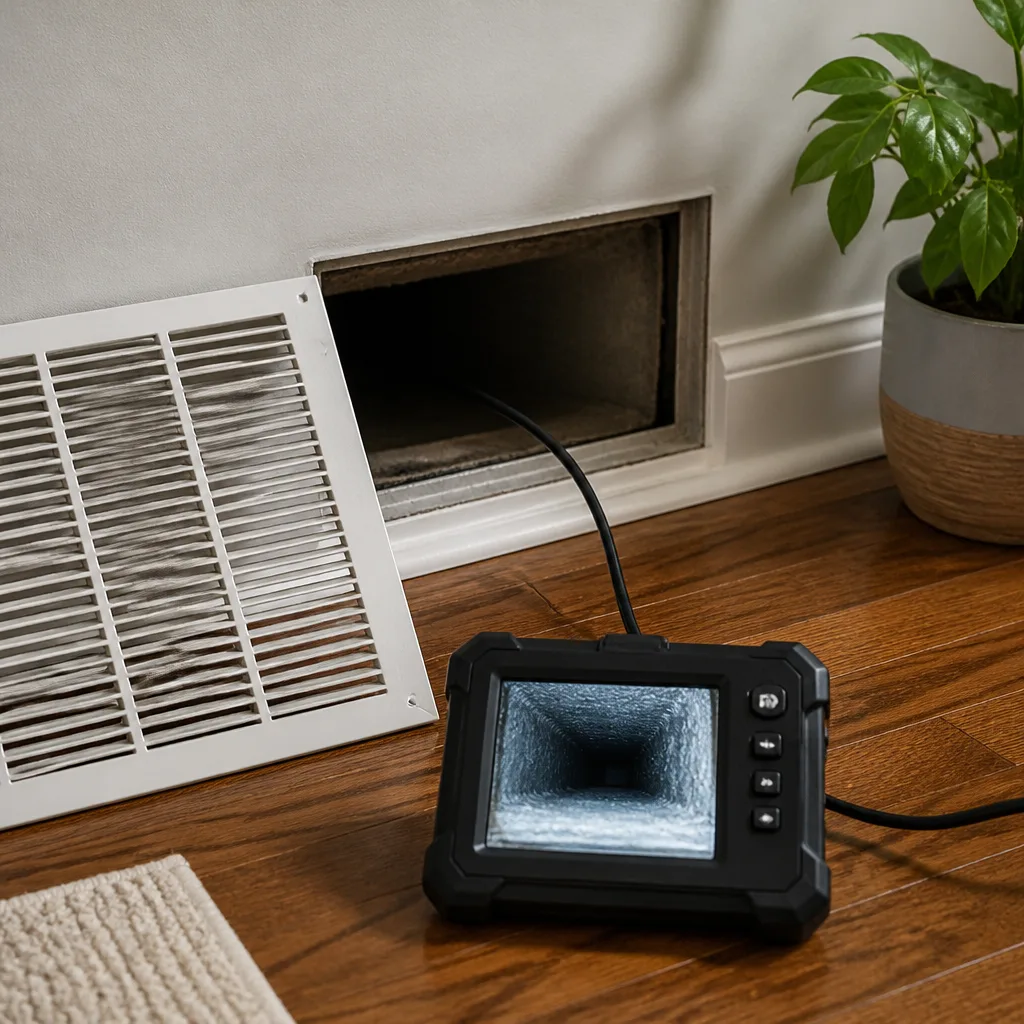 Camera inspection
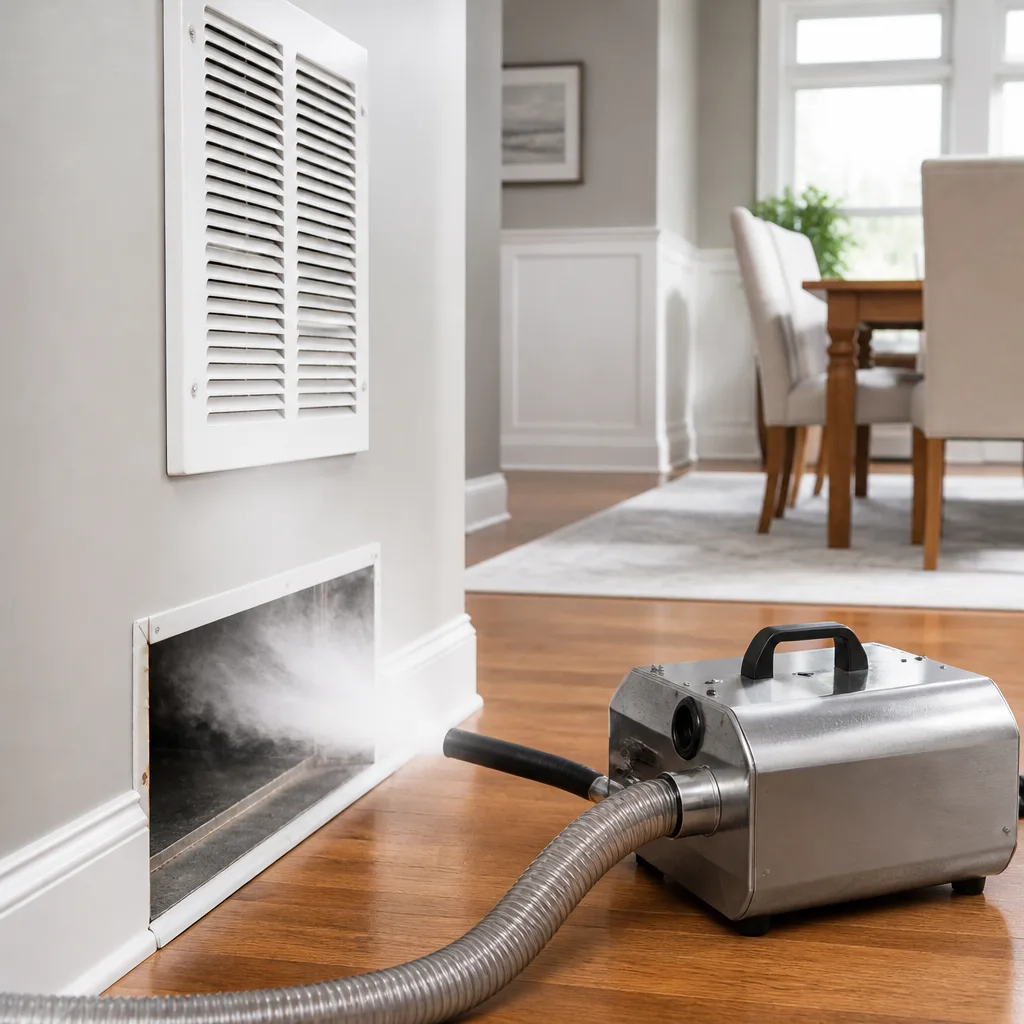 Sanitizing & deodorizing
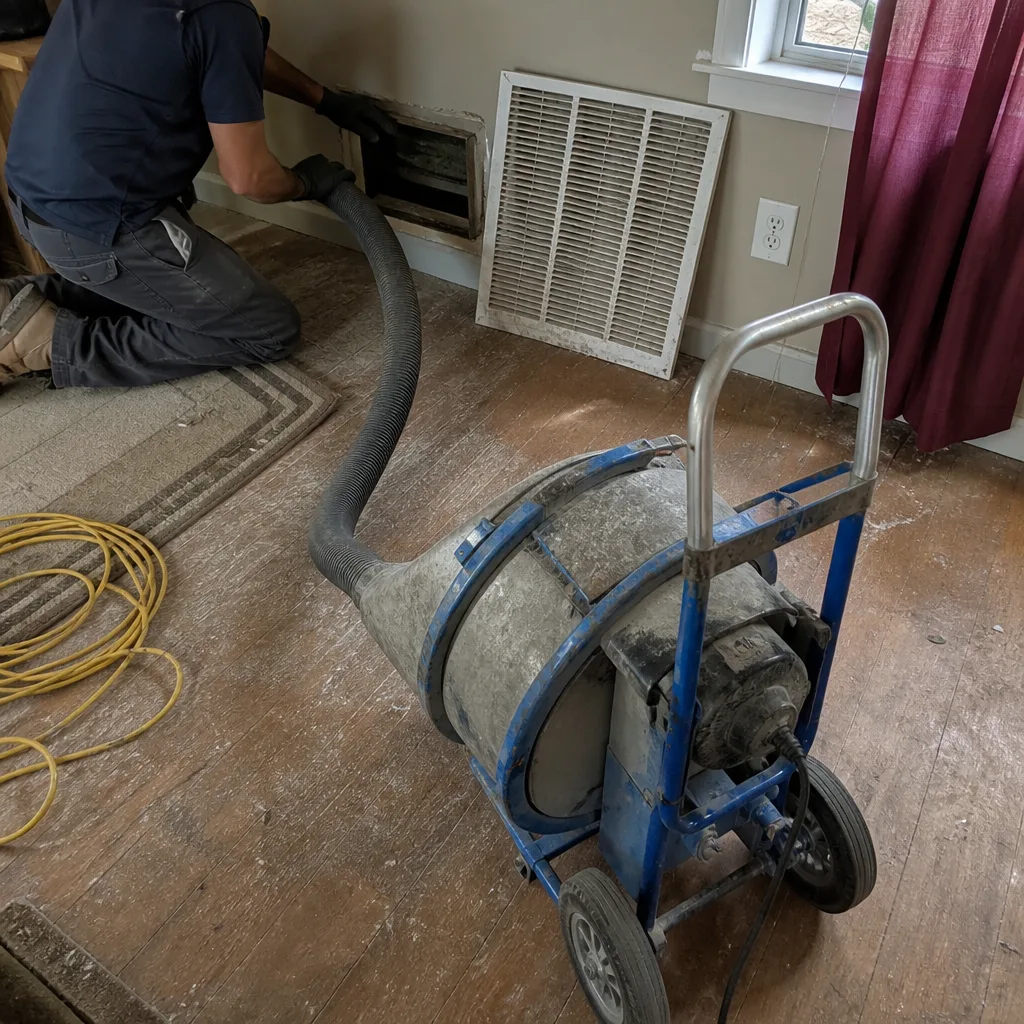
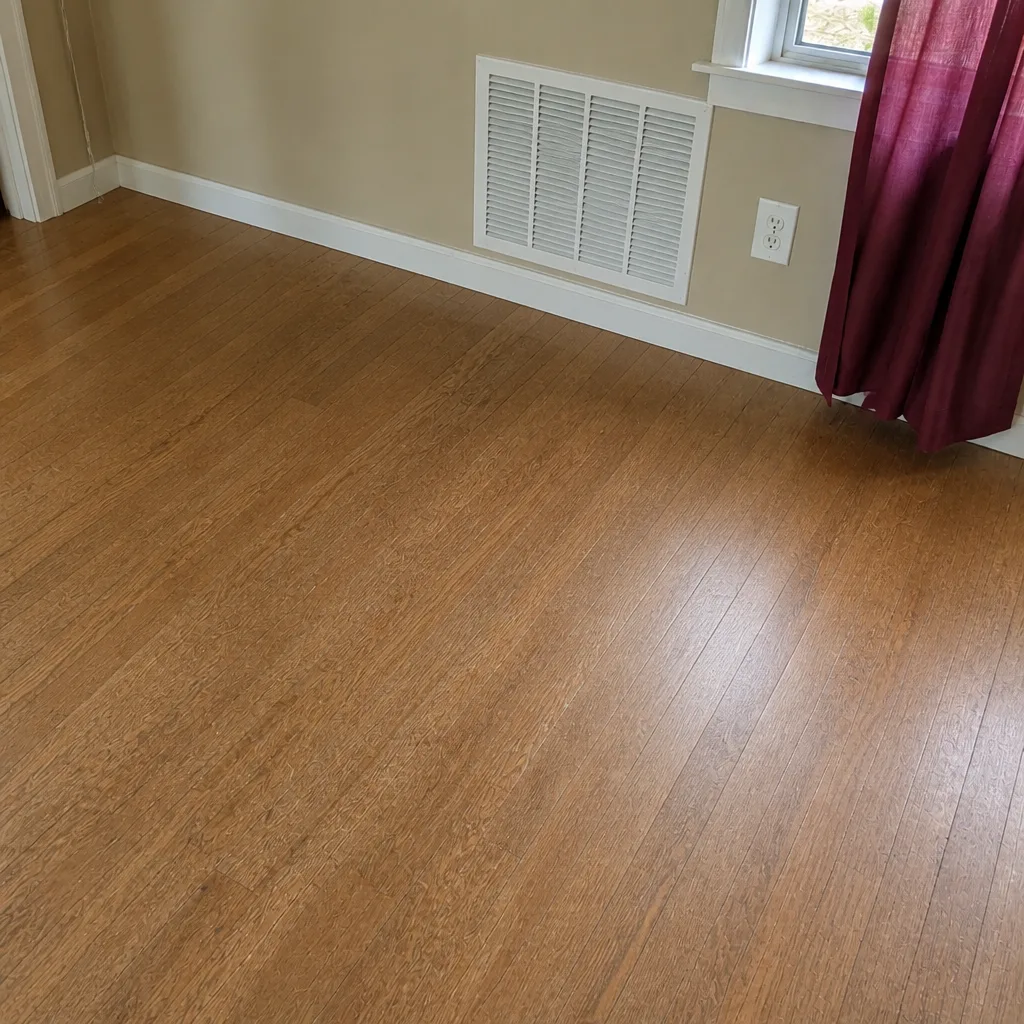
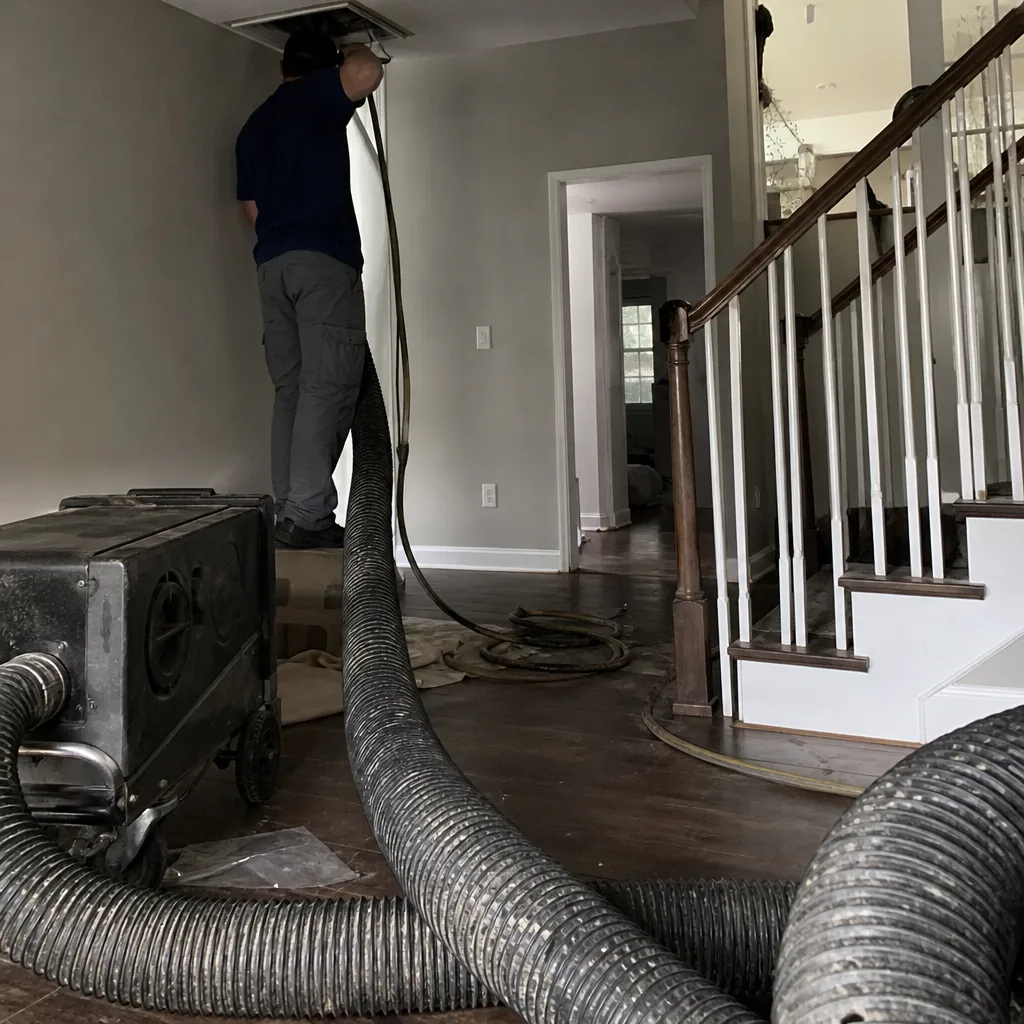
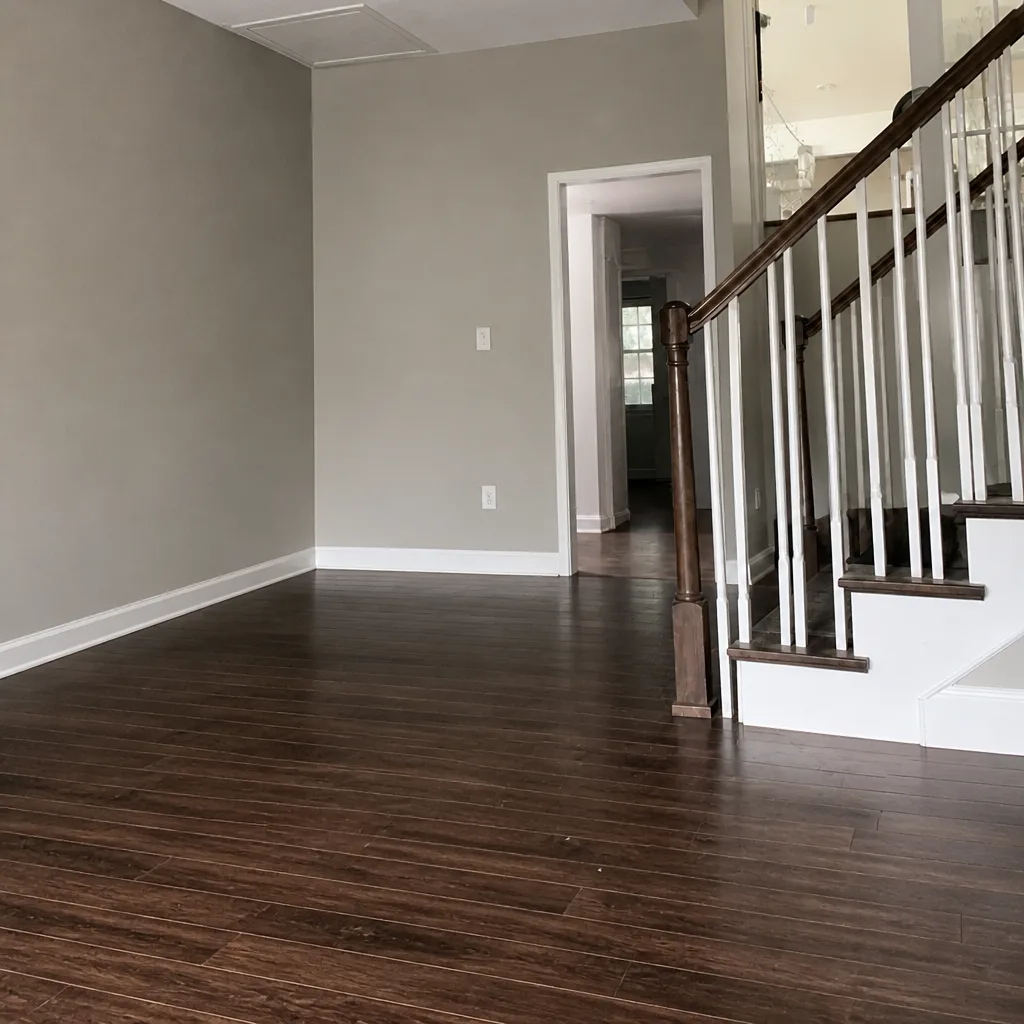
Whole-system duct and dryer vent check with before-and-after photos - you see exactly what came out of your vents
That "$99 whole-house special" is a bait ad - the real number appears once they are in your hallway, or the "clean" is a shop-vac at the register. We photograph the inside of your ducts before and after instead.
How to Hire an Air Duct Cleaning Contractor in Durham: A Step-by-Step Guide
North Carolina has no state license specifically for air duct cleaning. That single fact reshapes how you should approach this hire. The operator with a cargo van and a wet-dry vac and the company running a Rotobrush contact-cleaning system with Nikro collection units are equally “licensed” in the eyes of the state. The differentiation is entirely on you to find, and it lives in specifics: what equipment shows up, how the work area is contained, and what documentation you walk away with. In this guide, we’ll show you how to audit a Durham contractor the way a facility manager audits a vendor, not the way a homeowner compares three quotes over the phone. You’ll learn the four equipment questions to ask before you book anyone, the red flags that separate a shop-vac operation from a professional one, and what a legitimate scope of work should contain before a single hose comes through the door.
Quick Answer
To hire an air duct cleaning contractor in Durham, ask four equipment-specific questions before scheduling: what collection unit and CFM rating they use, what agitation method they use in flex versus rigid metal duct, whether they use contact vacuum at the registers, and whether they provide camera inspection before and after. Verify any NADCA membership claim through the association’s own lookup, demand a written scope of work with register count and containment plan, and require before-and-after video documentation as a deliverable. Credentials alone don’t tell you whether the job will actually be done.
Styles & brands we work with
- Whole-home duct cleaning
- Dryer vent cleaning
- Camera inspection
- Sanitizing & deodorizing
Table of Contents
- Why Licensing Doesn’t Protect You in Durham
- The Four Equipment Questions to Ask Before Scheduling
- Red Flags of a Shop-Vac Operation
- How to Verify a NADCA Membership Claim
- What a Legitimate Scope of Work Contains
- Containment and Occupied Homes
- Post-Job Deliverables That Give You Recourse
- How Pricing Should Be Structured in Durham
- When to Call a Professional
- Frequently Asked Questions
Why Licensing Doesn’t Protect You in Durham
Most trades you hire in Durham carry a state licensing layer. Electricians, plumbers, and HVAC contractors work under the North Carolina State Board of Examiners and face documented requirements for training, examination, and continuing education. Air duct cleaning sits outside that framework. There is no state license class for it, no board that examines candidates, no continuing education requirement. Anyone with a business license and a vacuum can advertise duct cleaning in Durham tomorrow.
This isn’t a technicality. It means the ordinary shortcuts you use to vet a contractor (check the license, confirm the bond, trust the state has done some screening) simply don’t apply here. The screening is your job, and it has to be done through different means.
The practical consequence is that the market is wide open, and quality varies enormously. In Durham, you’ll encounter operators at every point on the spectrum: sole proprietors with consumer-grade vacuums, franchised outfits with mid-tier equipment, and companies running commercial-caliber gear designed for hospital and remediation work. All of them appear in the same search results. All of them may claim “professional-grade equipment.”
What separates them is verifiable. A company running Rotobrush contact-cleaning systems and Nikro industrial collection units can tell you the model numbers and the airflow ratings. A company running a shop vac cannot. The same principle applies when we connect homeowners to local professionals: the tools are the tell, not the language on the website.
So the first step in hiring anyone in Durham is resetting your expectations. Don’t look for a license that doesn’t exist. Look for equipment you can name and a process you can describe back to a friend.
The Four Equipment Questions to Ask Before Scheduling
These four questions cut through almost all ambiguity. Any legitimate duct cleaning contractor can answer them in detail, without hesitation, and without pivoting to a sales pitch. If a company deflects any of them, you’ve learned what you needed to know.
1. What collection unit do you use, and what is its CFM rating?
CFM stands for cubic feet per minute, and it’s the measure of how much air the collection unit moves. This is the single most important number in the whole conversation. Consumer-grade shop vacs typically top out at a fraction of the airflow a proper industrial unit produces. A Nikro industrial vacuum, by contrast, is engineered for sustained high-volume extraction on commercial jobs.
Ask the ceiling rating and the working rating. Ask what filter class the unit uses. A company that can’t tell you the CFM of their own equipment is not running a professional collection system, regardless of what the invoice says.
2. What agitation method do you use in flex duct versus rigid metal?
Collection alone doesn’t clean ductwork. Debris adheres to the walls, and you need mechanical agitation to break it loose before the collection unit can remove it. The method matters, and it differs by duct type.
The Rotobrush system is the industry reference for contact cleaning in residential ductwork. It drives a rotating brush head through the duct, scrubbing the walls as the collection unit pulls loosened debris out. Rigid metal duct can also be cleaned with air whips or compressed-air tools in some configurations, but flex duct requires careful brush selection to avoid damaging the liner.
Ask specifically how they handle flex duct. If the answer is “we just use air,” you’re hearing about a remote-only approach that often leaves adhered debris in place.
3. Do you use contact vacuum or remote vacuum at the registers?
Contact vacuum means the collection tool physically touches and seals against the register while cleaning happens above it. Remote vacuum means the collection unit pulls from a central trunk line while registers are open. Contact vacuum is more thorough at the register end; remote vacuum is often used in combination with agitation. Ask which method is used at each stage and why. A professional will explain the combination without prompting.
4. Can you provide camera inspection before and after?
This is your verification. Cameras cost money, so remove-only operators rarely own one. A contractor running commercial-caliber equipment will typically have an inspection scope or camera to document what the ductwork looked like on arrival and what it looks like at the end. If they can’t document before-and-after, you have no way to know whether the work was done.
Asking this question in Durham has a second benefit: it forces the contractor to talk about the actual condition of your ducts before the truck arrives. That’s a conversation that should happen before you agree to anything.
Red Flags of a Shop-Vac Operation
Every industry has its telltale signs, and duct cleaning has a fairly short list. What’s tricky is that the signs sit right there on the marketing, and most homeowners read past them.
Pricing under $99 flat
Below $99 for a complete residential duct cleaning is economically absurd when you account for labor, equipment amortization, fuel, insurance, and overhead. Either the scope is tiny (often one register, with the rest as an upsell), or the price is a lead-in to a much bigger invoice once the technician is on site. The coupon model is the industry’s standard bait-and-switch. A whole-system job priced honestly will run meaningfully higher, and that’s the reason to distrust the teaser.
No pre-job assessment
Every duct system has quirks: flex versus rigid sections, sealed versus leaky joints, register count, trunk line configuration. A professional walks the house or asks detailed questions before quoting. A shop-vac operator quotes over the phone and shows up with whatever fits in the van.
No mention of negative pressure or containment
The core function of professional collection equipment is to create negative pressure in the duct system, so loosened debris flows toward the collection unit rather than into living space. When a contractor never mentions negative pressure, air scrubbing, or containment, that’s because their setup doesn’t create it. Displaced debris ends up back in the room.
Sanitizer spray as the primary deliverable
Deodorizing sprays and “sanitizing foggers” are cheap to buy and easy to sell. Some products have a legitimate role in specific situations, but if the pitch leads with the spray rather than the removal, the emphasis is wrong. Material inside the ducts has to come out. Spray doesn’t remove it.
How to Verify a NADCA Membership Claim
NADCA, the National Air Duct Cleaners Association, publishes standards that describe what proper duct cleaning involves. Membership is a meaningful signal, and the ACR (Assessment, Cleaning, and Restoration) standards are the closest thing the industry has to a formal technical framework. But membership is not a certification of the work on your particular job, and not every company advertising NADCA membership is actually a member.
Here’s how to check:
- Go to the NADCA website’s contractor lookup. The association maintains a searchable directory of members.
- Search by company name, not by individual name. Company membership is what you’re verifying.
- Confirm the address and contact details match what’s on the contractor’s quote.
- Ask the contractor whether they follow ACR standards and can describe what that means in practice.
What ACR standards actually require is more instructive than the membership badge. The standard calls for source removal (the material has to actually leave the system), methods that protect occupied space, inspection before and after, and documentation. The key word is documentation. A member who follows the standards produces a written record. A company that just paid the dues and displays the logo doesn’t necessarily do any of that.
Membership alone isn’t sufficient without equipment verification. The ACR standard describes a process; the equipment is what actually executes it. A member running consumer-grade vacuums can be compliant on paper while still delivering a job that leaves the wall of the duct untouched.
What a Legitimate Scope of Work Contains
Before anyone starts work in your Durham home, you should have a written scope of work. Not a verbal quote. Not a text. A document that tells you exactly what will happen, where, and how it will be verified. Here’s what should be in it:
- Register count: Every supply and return register to be cleaned, listed individually. If the document says “up to X registers” without listing them, that’s the hook for the upsell.
- Linear footage: Some contractors price by register, others by linear feet of duct. The scope should reflect one or the other accurately, and you should understand which.
- Access point locations: Where cuts will be made, how they will be sealed afterward, and whether any existing access ports exist. Flex duct has limitations here; rigid metal allows more flexibility.
- Containment plan: How negative pressure will be maintained, what air filtration equipment sits in the work area, and how the technician prevents redistribution during the job.
- Agitation method by duct type: Brush contact cleaning for flex, what method for rigid, and how the two combine.
- Repair scope: If disconnected or damaged duct sections are found, does the contractor fix them same-visit, or do you need a second vendor? Duct repair is a distinct capability, and not every cleaner offers it.
- Post-job verification: Camera inspection, video, or written report. Ideally all three.
Request this document in advance. In our experience, a legitimate contractor treats the scope as a working document, not a formality. When you see one that lists every register by name and location, you’ve found a company that expects to be held to it.
Containment and Occupied Homes
Duct cleaning generates airborne debris. That’s the physical reality. Cleaning the inside of a duct system while the home is occupied means you’re moving matter through the air, and the question is where it goes. Proper containment is what determines the answer.
Professional containment happens at two levels. The collection unit pulls air out of the duct system (negative pressure). In the work area itself, a second layer of filtration captures any debris that escapes the system during the process of opening access ports and agitating the duct. Abatement Technologies air scrubbers are the standard for this kind of localized containment, and their use is common on commercial and remediation jobs precisely because they don’t rely on the home’s HVAC system to filter what the technician is raising.
For Durham homes, this matters more than most homeowners realize. Durham’s older homes, particularly in established neighborhoods like Watts-Hillandale and Trinity Park, often have original duct sections that have accumulated decades of debris, or systems that have been modified and extended over time. Opening those systems without containment can put that loosened material straight into the room.
Ask specifically: what air filtration equipment will be running in the work area? A shop-vac setup typically has no answer for this. A company running Abatement Technologies units, or equivalent, does.
If the home is occupied during the job (which is typical), the question becomes even more concrete. Where will the technician work? How will they isolate the room or closet from the rest of the house? What about pets and young children? A contractor who has done this before has answers prepared.
Post-Job Deliverables That Give You Recourse
This is where the industry fails most often. The job gets done, the truck leaves, and you have no way to know what happened inside the ducts. Six months later something feels off, but there’s no record to compare against. Require these deliverables in writing before anyone starts:
- Before-and-after video or photo documentation. Camera footage of the same duct sections at the start and end of the job. This is the single most useful piece of evidence you can hold.
- Written report of anomalies. Any disconnected duct sections, damaged flex liner, rodent evidence, or moisture issues found during the job should be documented. If repair work was performed, note what was fixed and how.
- Register-by-register cleaning record. A checklist that shows which registers were cleaned and confirms access point restoration.
- Summary of air quality products installed, if any. If the contractor sells or installs IAQ products like Honeywell or Aprilaire filtration components, the deliverable should state what was installed, where, and what service interval it requires.
Ask upfront: “What do I get in writing at the end?” If the answer is vague, you’ve learned something. Before-and-after photos of your own ducts are also the reason a flat price per system is fair: you see exactly what you paid for.
When we connect Durham homeowners to local professionals, we insist the technicians working the job have the documentation they need to answer these questions cleanly. Our technicians have up to 13 years of experience, and that experience shows in how they structure the paperwork, not just the cleaning.
How Pricing Should Be Structured in Durham
Duct cleaning pricing in Durham varies widely, and the variation isn’t about quality alone. It’s about scope definitions that don’t line up. Here’s how to read what you’re being quoted.
- Per-register pricing is the most common residential format. A typical whole-home cleaning with a reasonable register count runs into the hundreds, not the low double digits. Anything under $99 for a whole home is a teaser figure you should expect to see replaced with a much larger number before work starts.
- Per-linear-foot pricing is more common in light commercial and in homes with long trunk runs. It reflects the actual amount of ductwork being cleaned.
- Flat per-system pricing is the fairest format for most homeowners. You agree on a price for the complete system, the contractor specifies what’s included, and the final invoice matches the written estimate. No per-vent surprise charges once the technician arrives.
- Add-ons to watch. Sanitizer spray, enzyme treatments, and “protective coatings” appear on many quotes. Some have a legitimate role (a Guardsman-grade protective treatment can extend the value of a cleaning visit), but they shouldn’t replace the core work. Ask what each add-on does independently of the cleaning.
- Repair and dryer vent are separate, related services. If a technician finds a disconnected duct or a clogged dryer vent while on site, a company that also handles repair and dryer vent cleaning can address both in the same visit.
A note on the dryer vent: a dryer vent isn’t a maintenance item, it’s a fire-prevention item. Lint accumulation in the vent line is a leading residential fire cause, and cleaning it is a safety service, not a convenience upsell. Ask whether that’s part of the conversation during a standard cleaning visit.
The written estimate should set the final price, and it should match what appears on the invoice. If a company hedges on that, call someone else.
Common Mistakes to Avoid
- Booking on price alone. The lowest quote in Durham is almost always the smallest scope, and the technician who arrives will be selling a bigger job. Focus on what the scope contains before you focus on the number.
- Skipping the CFM question. If you never ask what collection unit they use and its airflow rating, you have no way to distinguish a shop-vac operator from a professional. Make this the first question on every call.
- Accepting “NADCA member” without verification. The lookup takes two minutes and eliminates a class of pretenders. Any contractor who resists the idea that you check is telling you something.
- Letting the technician start without a written scope. Verbal agreement is how per-register surprise charges happen. Demand the document, even if it delays the appointment by a day.
- Not asking about containment in an occupied home. Durham homes in older neighborhoods often have duct systems with accumulated debris from decades of use. Opening those systems without air scrubbing in the work area is a real risk to indoor air quality during the job.
- Accepting an oral “we cleaned it” as the end of the job. Before-and-after camera footage is the only reliable evidence that the inside of the ducts changed. Ask for it upfront; don’t negotiate for it afterward.
- Treating the dryer vent as an optional add-on. The vent line collects lint the same way the duct system collects dust, and the failure mode is fire rather than dust. It belongs on the same visit as the duct cleaning.
When to Call a Professional
Duct cleaning isn’t a routine maintenance item on a fixed schedule. It’s a job triggered by conditions. Call a professional if you’ve recently moved into a Durham home with unknown service history, if you’ve finished a renovation and drywall dust or construction debris may have entered the system, if you notice visible dust accumulating on registers faster than normal, or if someone in the home has consistent respiratory irritation that doesn’t have another explanation. Remodeling activity, pest intrusion, and visible debris at the registers are all reasons to schedule a look.
You should also call when the dryer takes noticeably longer to dry a load than it used to, or when the exterior vent flap doesn’t open fully during a cycle. That’s lint blockage, and it belongs in the fire-safety category, not the convenience category.
Air quality starts at the duct, and connecting with the right professional is the entire game. Duct Cleaning Durham offers free estimates in Durham. Call (866) 486-6152. We answer 24/7. Fast dispatch from 7am to 7pm, Sunday through Friday.
Frequently Asked Questions
For a typical whole-home cleaning in Durham, expect pricing in the hundreds rather than the low double digits, and expect it to be quoted as a flat price per system with the scope written out. Anything advertised under $99 is a teaser that will be renegotiated on site. The written estimate should set the final price; if it doesn’t, that’s the bait-and-switch pattern. Call (866) 486-6152 for an exact quote – estimates are free.
Cheap quotes are cheap because the scope is narrower than the headline suggests, usually one or two registers as a demonstration with the rest of the system offered as an upgrade once the truck is in the driveway. The equipment gap is the other factor: a consumer-grade vacuum and a Rotobrush system with Nikro collection don’t cost the same to run. Focus on the scope document, not the coupon. Call (866) 486-6152 to talk through a written scope.
Use the NADCA website’s contractor lookup and search by company name, not by individual. Confirm the address matches what’s on the quote, and ask the contractor to describe how they follow ACR standards in practice, specifically the documentation and inspection requirements. Membership alone isn’t sufficient without confirming the equipment they run actually matches what ACR requires. Call (866) 486-6152 if you want to compare what we see on Durham jobs.
Require before-and-after camera footage of the same duct sections, a register-by-register cleaning record, and a written report of any anomalies found. If a company can’t produce these deliverables, you have no way to verify what happened inside the ducts. Get the commitment to produce them in writing before work starts. Call (866) 486-6152 and we’ll walk you through what a proper deliverable package contains.
There’s no universal schedule. Most homes don’t need duct cleaning on a fixed interval; the triggers are conditions like renovation dust, unknown service history, pest intrusion, or visible debris at the registers. If the ducts were cleaned properly and the home is well-sealed, several years may pass without a need. The right question isn’t “how often” but “does the current condition warrant it.” Call (866) 486-6152 for a look at what your Durham home actually needs.
Not every duct cleaner can. Duct repair is a separate capability from cleaning, and many operators clean only. Ask upfront whether repair is part of the service, so a disconnected section discovered mid-job isn’t deferred to a second contractor. We found it, we fix it is the correct standard. Call (866) 486-6152 to confirm what’s included in a Durham consultation.
Usually not, provided the contractor is running proper containment in the work area. If air scrubbing equipment is deployed, the debris raised during the job is captured rather than redistributed, which means occupants can stay home. If a contractor can’t describe their containment setup, plan to be out. Call (866) 486-6152 if you have specific concerns about an occupied job.
Contact vacuum means the cleaning tool physically seals against the register while the collection unit pulls from it, so debris moves directly into the vacuum at the point of collection. Remote vacuum pulls from a central trunk line while registers stay open, which is often combined with agitation to loosen adhered debris. A thorough job usually uses both approaches at different stages. Call (866) 486-6152 to ask what a full job on your system would involve.
The Bottom Line
Hiring a duct cleaning contractor in Durham comes down to equipment and documentation, because the state licensing layer isn’t there to protect you. Ask about CFM, agitation methods, contact versus remote vacuum, and camera inspection before you schedule. Verify any NADCA claim through the association’s own lookup. Require a written scope with register count, linear footage, access point plan, and containment strategy. Insist on before-and-after documentation as a deliverable. A company running Rotobrush and Nikro systems with Abatement Technologies scrubbers in the work area will answer every one of these questions without hesitation. Start with Duct Cleaning Durham if you’d like to compare notes, and review the specifics of air duct cleaning before you book. If the dryer vent hasn’t been addressed in years, dryer vent cleaning should be part of the same conversation, and if you’re comparing contractors across the region, the Durham service overview is the right starting point.
Call (866) 486-6152 for a free estimate. We answer 24/7. Fast dispatch from 7am to 7pm, Sunday through Friday. Our technicians have up to 13 years of experience, and every job includes the documentation you need to verify the work.
Written by the team at Duct Cleaning Durham.
See the difference
 Before
 After
 Before
 After
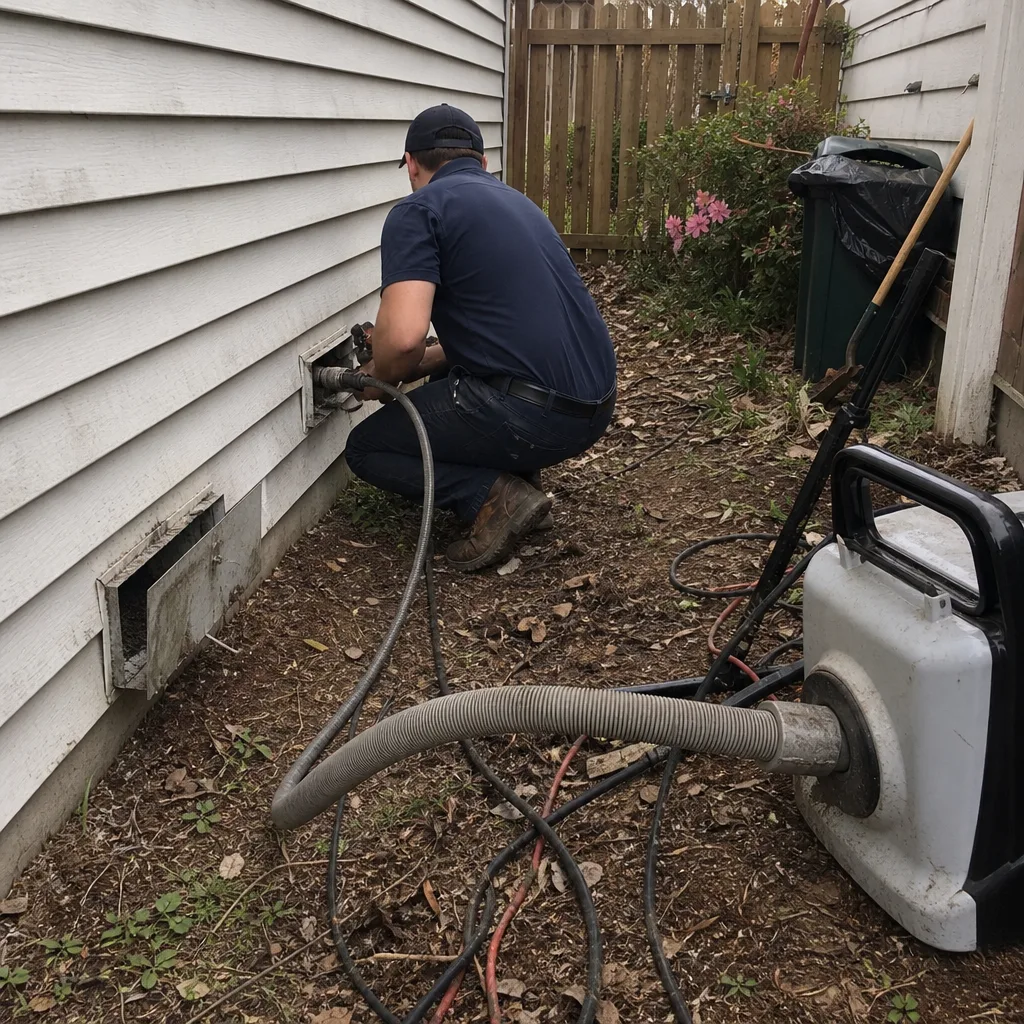 Before
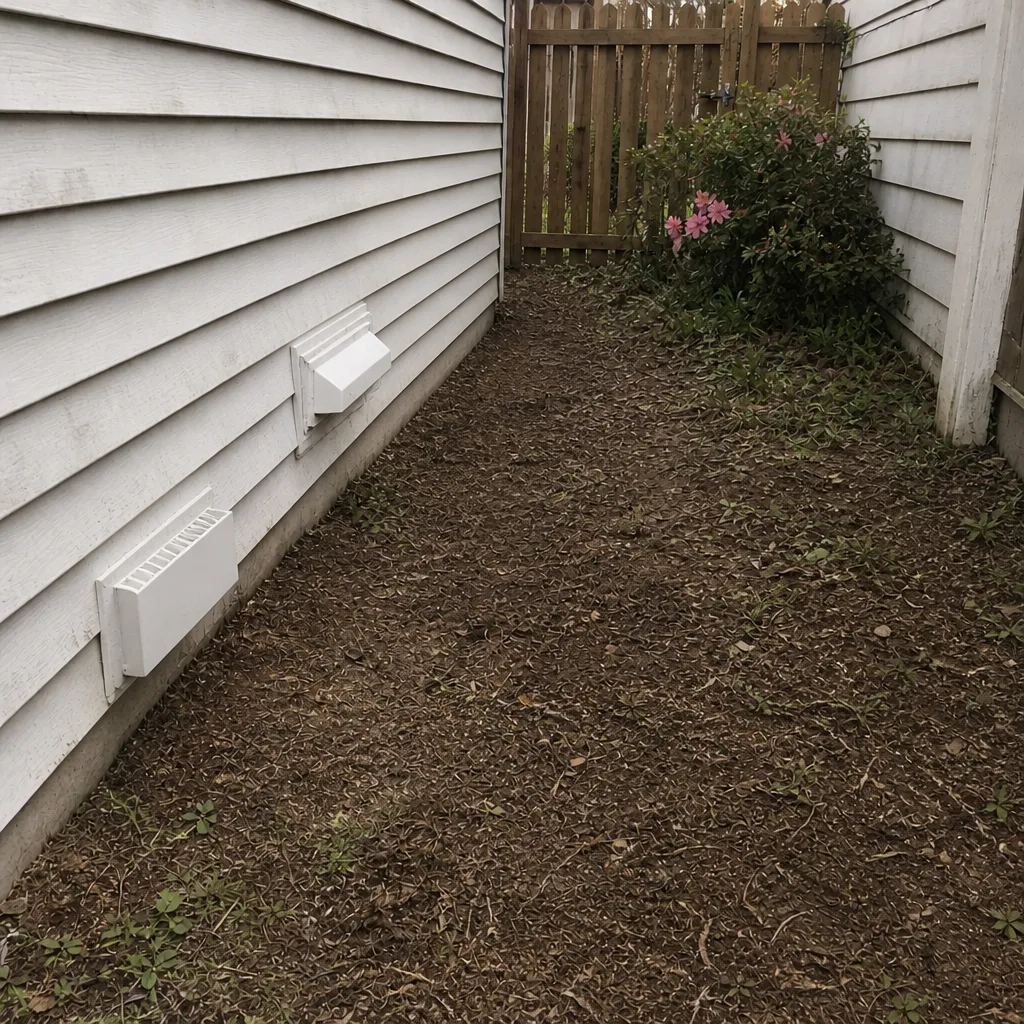 After